
Clover Quick guide
The Key to picking the Right Variety for Your Plot:

BEST ON LOW PH SOIL
Best Blend – Top Five®
Best Clover Type – Balansa and Red

BEST ON DROUGHT PRONE SOIL
Best Blend – Top Five®
Best Clover Type – Balansa, Red, Kura

BEST ON HEAVY CLAY SOIL
Best Blend – Top Five®
Best Clover Type – Balansa, Red, Kura
BEST ON FLOOD PRONE SOILS
Best Blend – Top Five®
Best Clover Type – Balansa, Red, and Crimson

BEST FOR POLLINATORS
Best – CloverKeeper®

BEST FOR A FIRST YEAR PLOT
Best Blend – Buffalo Clover® and Top Five®
Best Clover Type – Balansa, Berseem

BEST FOR HEAVY BROWSE
Best Blend – Top Five®
Best Clover Type – Kura

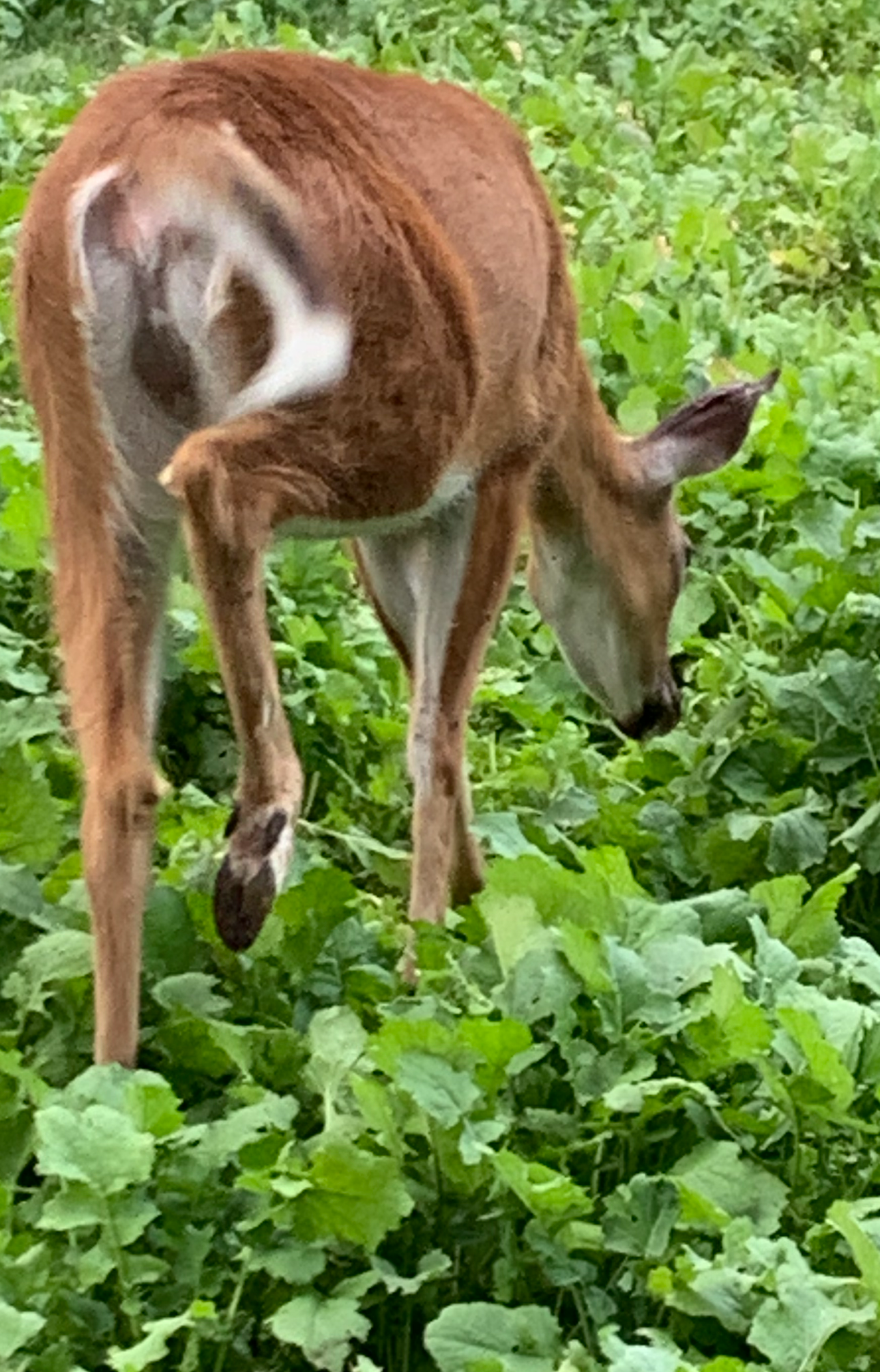
BEST FOR DEER PREFERENCE
Best Blend – Buffalo Clover®
Best Clover Type – Berseem and Ladino

BEST FOR SANDY SOIL
Best Blend – Top Five® and CloverKeeper®
Best Clover Type – Arrowleaf
Clover Types
All clovers have strengths and weaknesses. That is why it is best to use clovers in combination. Check out Top Five Annual® Clover Blend, CloverKeeper® Perennial Clover Blend, or Buffalo Clover® Blend (annual and perennials) for an exceptional combination of the best varieties.
Annuals and Biennials
Balansa
Some varieties of Balansa Clover are capable of producing huge biomass (plants up to 3 feet tall.)
- More above ground forage
- Better weed suppression
- More nitrogen fixation
- Quick growth
- Deep tap root
- Allows more water infiltration into the soil
- Shows both drought and flood tolerance
This clover is a major component of our Top Five Annual Clover® and main ingredient in our Smorgasbord® blend.
Berseem
We discovered new breeds of Berseem clovers that are capable of withstanding some tricky soils.
- Handles heavy clay soil
- Very cold tolerant
- More Nitrogen fixation
- Quick growth
- Excellent nutrient cycling
- allows more water infiltration into the soil
Available in Top Five®, Buffalo Clover and Smorgasbord®
Red Clover
Wildlife biology shows that Red clovers aid in digestion.
- Tolerates low fertility soil
- Tolerates standing water
- Good weed suppression
- Quicker growth
- Good nitrogen fixer
- Biennial, good drought tolerance
- Helps relieve compacted soil
- Allows more nutrient cycling
- This is one of the main ingredients in CloverKeeper®
Crimson Clover
Crimson Clover is the earliest growing clover. It is usually the first plant you see growing on roadsides. We have a newer Crimson cultivar that grows much longer into the spring.
- More winter tolerant than Dixie, more water infiltration
- Better weed suppression than other crimsons
- Good heat tolerance
- Tolerates standing water
- Helps relieve compacted soil
- Good nitrogen fixation
- Quick growth
- Biennial
This is one of the main ingredients in Top Five ® Annual Clover Blend®
Arrowleaf Clover
Arrowleaf is known for its excellent drought tolerance.
- Handles 4.5- 7.5 pH soil
- Very low bloat potential
- Works well with grass blends
- Excellent in sandy soil
Available in Top Five®
Persian Clover
- Very large leaves
- Highly digestible (protein up to 24%)
- Excellent for grazing
- Tolerates poorly drained soils
- Quick root development
- Prefers alkaline soils
- Handles 5-8.0 pH
- Moder salinty tolerance
Perennials
Kura Clover
Kura clovers have a different growth structure, they spread by rhizomes below the ground.
- More browse tolerant
- Better weed suppression
- Handles more stress
- Deep tap root
- Both drought and flood tolerance
Medium Red Clover
Wildlife biology shows that this biennial clover aids in digestion.
- Excellent frost seeding clover
- Good nitrogen fixation
- Quicker growth than other perennials
- Drought tolerance
- Weed suppression
This is one of the main ingredients in CloverKeeper®.
Ladino Clover
Ladino is the most winter active clover. The new varieties we use produce more tonnage and have very high palatability.
- More winter tolerant and active in cold season
- Highly digestible
- Erect, rapid growth
- Large leaflets
- Good grazing tolerance
- High Protein
- Good for erosion control
- Good disease tolerance
This is one of the main ingredients in CloverKeeper Perennial Blend® and Buffalo Fall Blend®
Clover Planting guide: Best Varieties & Blends
Frequently Asked Questions (FAQ) About Clover Seed
1. What is the best clover blend for deer food plots?
The best blend depends on your soil, growing conditions, and goals. Eagle Seed’s Top Five Annual® is recommended for challenging conditions such as low-pH, heavy-clay, and drought-prone soils, while Buffalo Clover® is a strong option when deer preference is the priority.
2. Which clover is best for low-pH or heavy-clay soil?
Eagle Seed recommends Top Five Annual® for low-pH and heavy-clay conditions. Its blend includes clovers selected for different growing characteristics. Soil testing and appropriate soil preparation remain important for successful establishment.
3. When should I plant clover seed?
Many annual clovers are planted in early fall, generally September through early October, or in spring when conditions are suitable. Frost seeding is another option for compatible varieties. Your local climate, soil moisture, and the specific product’s planting instructions should determine the timing.
4. How much clover seed do I need per acre?
Seeding rates vary by blend and variety. For example, Eagle Seed’s Top Five Annual® and CloverKeeper® blends are packaged for one acre at their specified bag weights, while Buffalo Clover® has its own recommended rate. Always follow the planting rate on the product label.
5. Which Eagle Seed clover is best for a perennial food plot?
CloverKeeper® is Eagle Seed’s perennial clover blend, combining red and white clovers selected for forage production and complementary growth. It is designed for customers who want a longer-term clover plot with suitable management and growing conditions.
6. Which Eagle Seed clover blend is best for deer preference?
Eagle Seed recommends Buffalo Clover® when deer preference is the primary goal. Its blend combines annual and perennial clovers, providing a mix of growing characteristics for a productive wildlife plot.
7. Can clover improve soil health?
Yes. Clover works with compatible soil bacteria to fix atmospheric nitrogen, and its roots and plant residue can contribute to nutrient cycling and soil improvement. The benefits depend on the clover variety, growing conditions, and how the plot is managed.