
Cover Crop Seeds & Blends
Cover Crops are all about biomass, underground root development, erosion control, weed suppression, soil health, and cycling nutrients. When choosing Cover Crops, choose the best varieties possible. Ask your seed provider for data. Bigger plants will mean bigger roots and more organic matter returned to your soil. We do Big well. Bigger plants can also make much more nitrogen and shade out harmful weeds. Root structure is important in preventing erosion and holding the maximum amount of moisture in your soil. We breed for this.
Try our Smorgasbord for the ultimate diverse fall cover crop. If you want a highly effective economical blend, try R & R Blend. For summer, you won’t find a better diversity blend than Buffalo Summer Blend. If you need something custom, just give us a call at 870-684-7377.
-
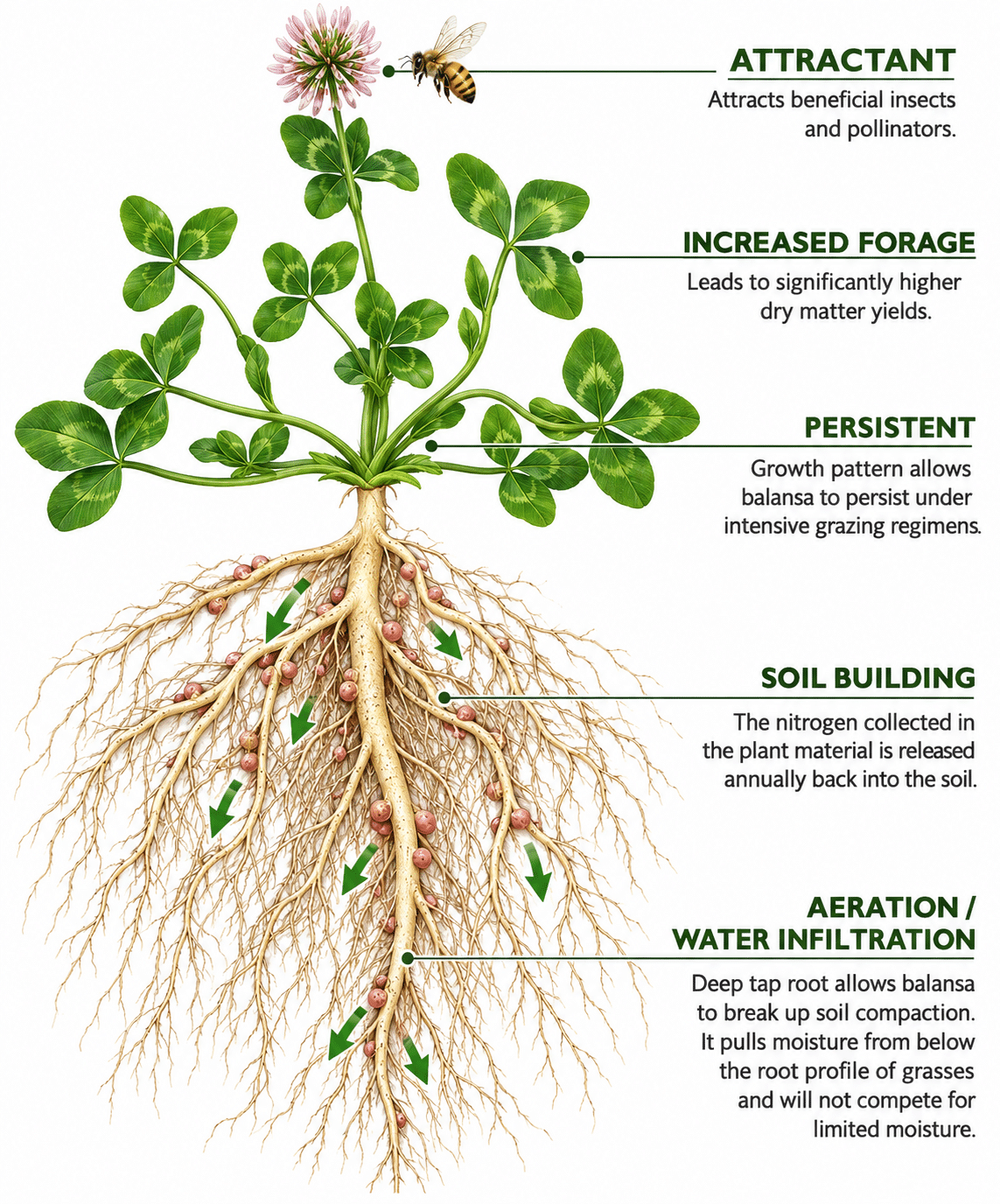
Fixation™ Balansa Clover
$200 -
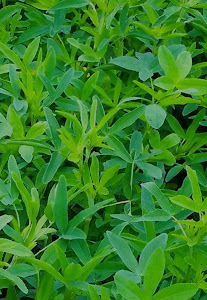
Frosty™ Berseem Clover
$200 -

FIELDCRAFT™ 2, 4-D Tolerant Fall Food Plot
$82.00 -
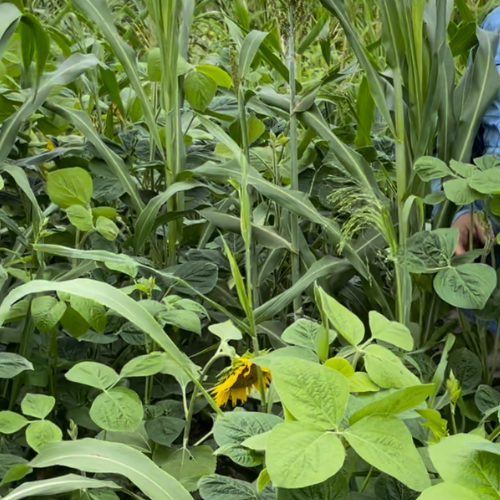
Sanctuary 7™
$96.00 -
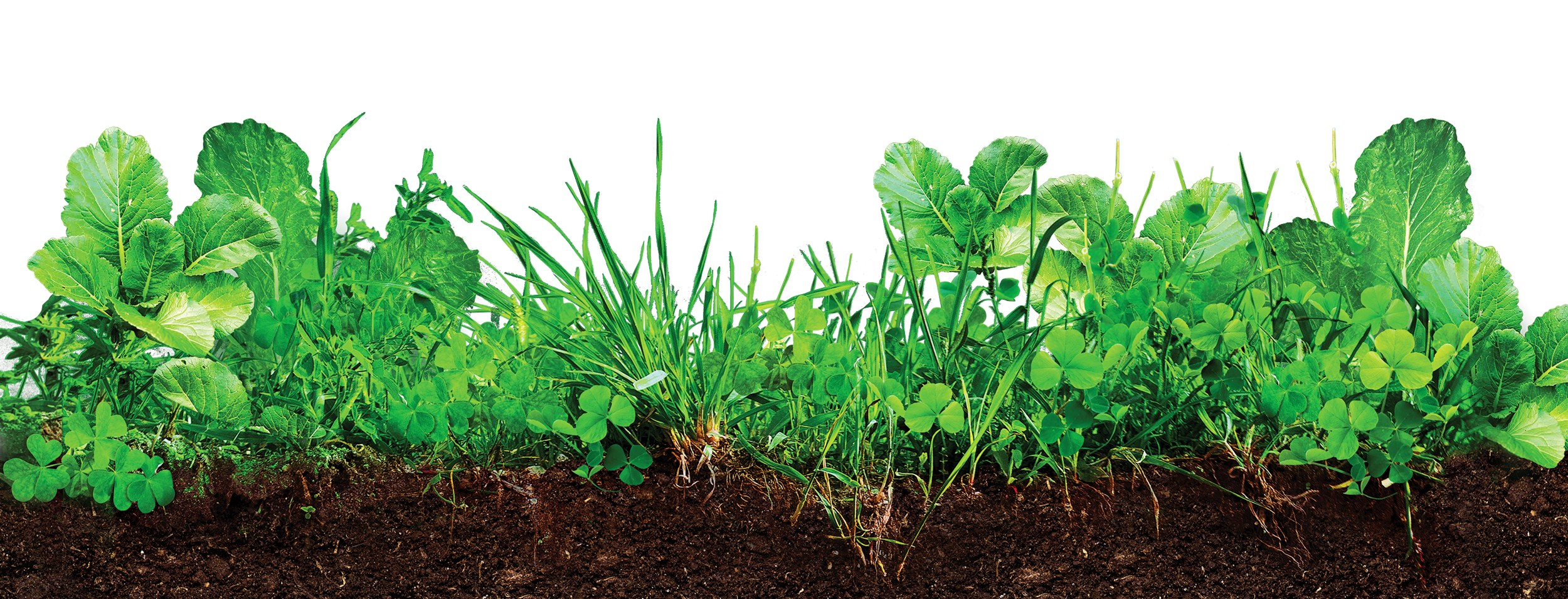
McPEAKE BLEND™
$72.00 -

Dynamite™ Red Clover
$190 -

Kentucky Pride™ Crimson Clover
$143.00 -

Aberlasting® Clover
$306.00 -
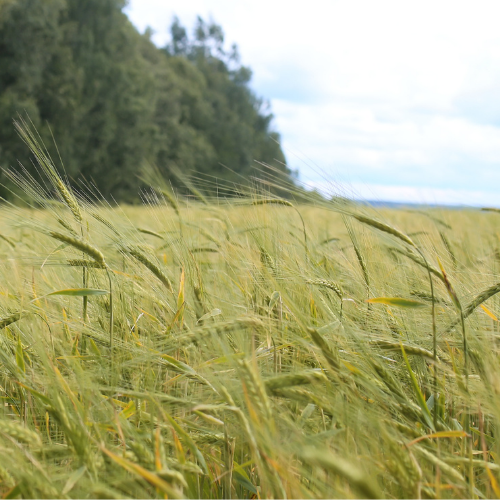
ES Cereal Rye
$45.95
COVER CROP FAQ – FREQUENTLY ASKED QUESTIONS
Grasses and cereal grains can produce biomass and help protect the soil surface, while legumes can contribute nitrogen through biological nitrogen fixation when properly inoculated and successfully established. Diverse blends can combine complementary plant characteristics to support several soil-health goals at once.
A blend can provide multiple benefits when its components are selected to work together. However, more species in the bag do not automatically make a better cover crop. Every component should have a purpose, whether it is producing biomass, developing roots, contributing nitrogen, suppressing weeds, or extending the growing season. A single species may be the better choice when you have a specific goal or a narrow planting window or a particular weed issue you need to resolve.
Planting time depends on the species, your location, available moisture, and the time remaining in the growing season. For Eagle Seed fall blends, a useful starting point is 45–60 days before your area’s average fall frost, although individual species have different establishment requirements. Planting just ahead of a favorable rain can help, provided the soil has adequate moisture and conditions are suitable for germination.
Cover crops can help suppress weeds by establishing quickly, producing foliage that shades the soil, and competing with weeds for available resources. Cereal rye is one option known for producing substantial biomass and helping suppress weeds. In many studies, BuckMonster Forage Wheat was just as suppressive as cereal rye. Results depend on planting date, stand establishment, biomass production, and weed pressure. Cover crops should be part of a broader weed-management plan rather than treated as a guaranteed stand-alone solution.
Smorgasbord® is the most diverse fall cover crop option, R & R Blend is the most economical blend, and Buffalo Summer Blend is designed for summer diversity. Any fall blend could be used as cover. Consider your planting season, available rainfall, equipment, soil conditions, and whether your primary goal is biomass, weed suppression, forage, or nutrient cycling when choosing a blend.
Yes. Eagle Seed offers custom blending for growers who need a seed combination suited to their particular goals and growing conditions. Call 870-684-7377 to discuss your planting window, location, soil conditions, equipment, and the results you want from your cover crop.